Artist's Statement
This portfolio features work completed in 2024–2025 as part of the requirements to obtain a Master's in Art & Technology from the University of Oklahoma. While the specific requirements for each project will be listed below, the crux of my work centers on PTSD and the effects of childhood trauma, topics that I believe are greatly underrepresented to the general public. My past works have drawn directly from my personal experiences of this subject matter, with the goal of adding my voice to the overall narrative. By doing so, I hope to break down taboos and stigmas attached to this subject matter, particularly the taboo of speaking up about one's inner experience due to trauma. My thematic influences include the works of Alan Watts, Carl Jung, and Buddhist and absurdist philosophies. Stylistically, I am drawn to surrealism, ironic kitsch, weirdcore, abstract and archetypal styles, and tend toward absurd narratives and collage styling. By presenting this type of subject matter in an abstract way, I intend to create an open–ended conversation with the audience where nothing is necessarily right or wrong to consider, while remaining accessible to all ages. I want to create a safe, healing, and educational space for exploration of this topic. The type of media I tend to create is 2D/3D Animation, Experimental Film, and Video Collage utilizing Adobe CC, especially After Effects, Adobe Animate, Premiere Pro, along with Autodesk Maya and Unity.
"Vergence: The Snow of the Mind" (2024)
Type/Media: Experimental Film, Video Collage, Video Art, Op Art
Software Used: After Effects, Premiere Pro
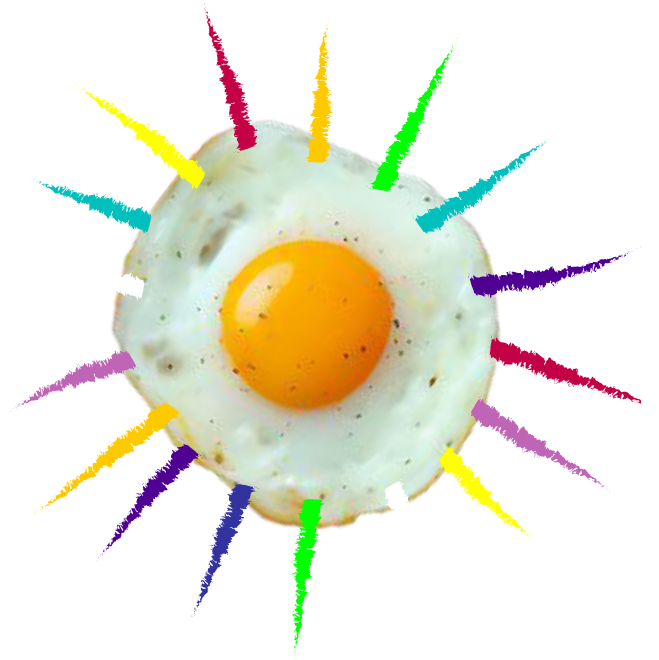
The subject matter of this project centers on PTSD and childhood trauma, specifically how it can affect one's memory. I used my own adverse childhood experiences as a basis for the imagery depicted in the work, which is largely symbolic. I wanted to depict an abstract, surreal environment in which incomplete memories are depicted. At times when I attempted this type of memory recall as a child, I would visualize the inaccessible parts of the traumatic memory as if I was watching a blurry black and white television that displayed obscured imagery along with the “white noise” static that is typical of when you are on a channel with no input. This type of static is also commonly referred to as “snow”, which is what the title of the piece alludes to. The title also alludes to the concept of vergence, which describes the positioning of one's eyes, such as parallel or cross-eyed. Specifically, I am referring to the type of eye positioning one must achieve to effectively view autostereograms, a type of optical illusion commonly known as “Magic Eye Pictures”, which at first glance appear to be a random pattern of images or shapes (or dots as found in “Random Dot Autostereograms”), but with correct vergence of one's eyes (either parallel or cross–eyed, depending on the construction of the autostereogram being viewed) reveals a hidden 3D image. The significance of incorporating this type of imagery into my project is that it symbolizes that sometimes only part of the truth of a memory reveals itself (i.e. the random pattern) until you learn to “see correctly” so to speak (proper vergence of the eyes). This also represents how childhood memories can be seen “through the eyes of innocence”, and that one may not fully understand or comprehend them until adulthood, if at all. Additionally, Magic Eye Pictures were created in the early 1990s, which is approximately the same time period that I experienced the memories depicted. This project is innovative in my use of After Effects to animate depictions of what the viewer sees when they get their eyes into the “correct” positioning that is based on traditional Magic Eye Pictures. I wanted to depict the images in this way because I am aware that not everyone is able to “correctly” view autosteroegrams themselves, and want the imagery to be accessible to them as well. Based on my research so far for this project, I have not found any examples of this type of depiction of this artform thus far.
"Pendulum Animae(The Pendulum of the Soul): An Abstract Exploration of Bilateral Stimulation" (2025)
Type/Media: experimental film that incorporates 2D and 3D Animation, video collage, and live action video.
Software Used: After Effects, Premiere Pro, Adobe Animate, Illustrator, Photoshop
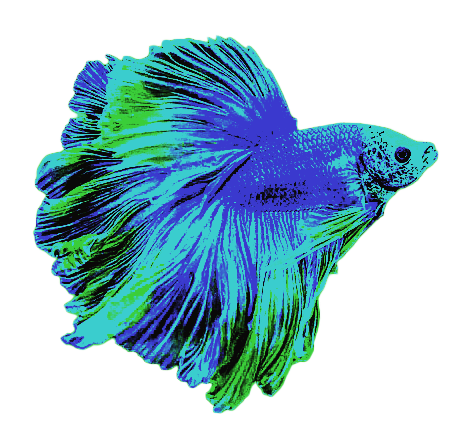
Pendulum Animae (the Pendulum of the Soul): An Abstract Exploration of Bilateral Stimulation (2025) adds to themes of PTSD and childhood trauma from a therapeutic perspective rather than a personal one. As an experimental film, it serves as an artistic representation of Bilateral Stimulation as an aid for anxiety reduction, particularly for those healing from PTSD. A major component of EMDR therapy, Bilateral Stimulation is the process of alternately stimulating the left and right hemispheres of the brain via visual, auditory, or physical input.
Pendulum Animae incorporates various mediums such as live video collage, 2D and 3D animation with the metaphor of a pendulum swinging back and forth through multiple “universes” to guide the surrealist, abstract narrative. While the style is abstract and surreal, many of the types of pendulation depicted are accessible in nature or everyday life and are informed by my personal experience with EMDR therapy. I hope to convey to the viewer that should they have a triggering episode outside of a clinical setting, they may have visual, aural, and physical resources available to them in their immediate environment with which they can employ the technique of Bilateral Stimulation.
*Please Note: This project is not intended for medical use, nor the replacement of traditional mental health treatments such as talk therapy. My goal is to offer an artistic interpretation of and addition to these resources to aid collective healing and understanding of these experiences to those that are directly affected, as well as to provide education and awareness of this modality for their loved ones and the general public.
"Continuum Wellness Resort & Spa" (2024)
Type/Media: Short Film
Hardware Used: Nikon D3500, Tascam DR–05X
Software Used: After Effects, Premiere Pro
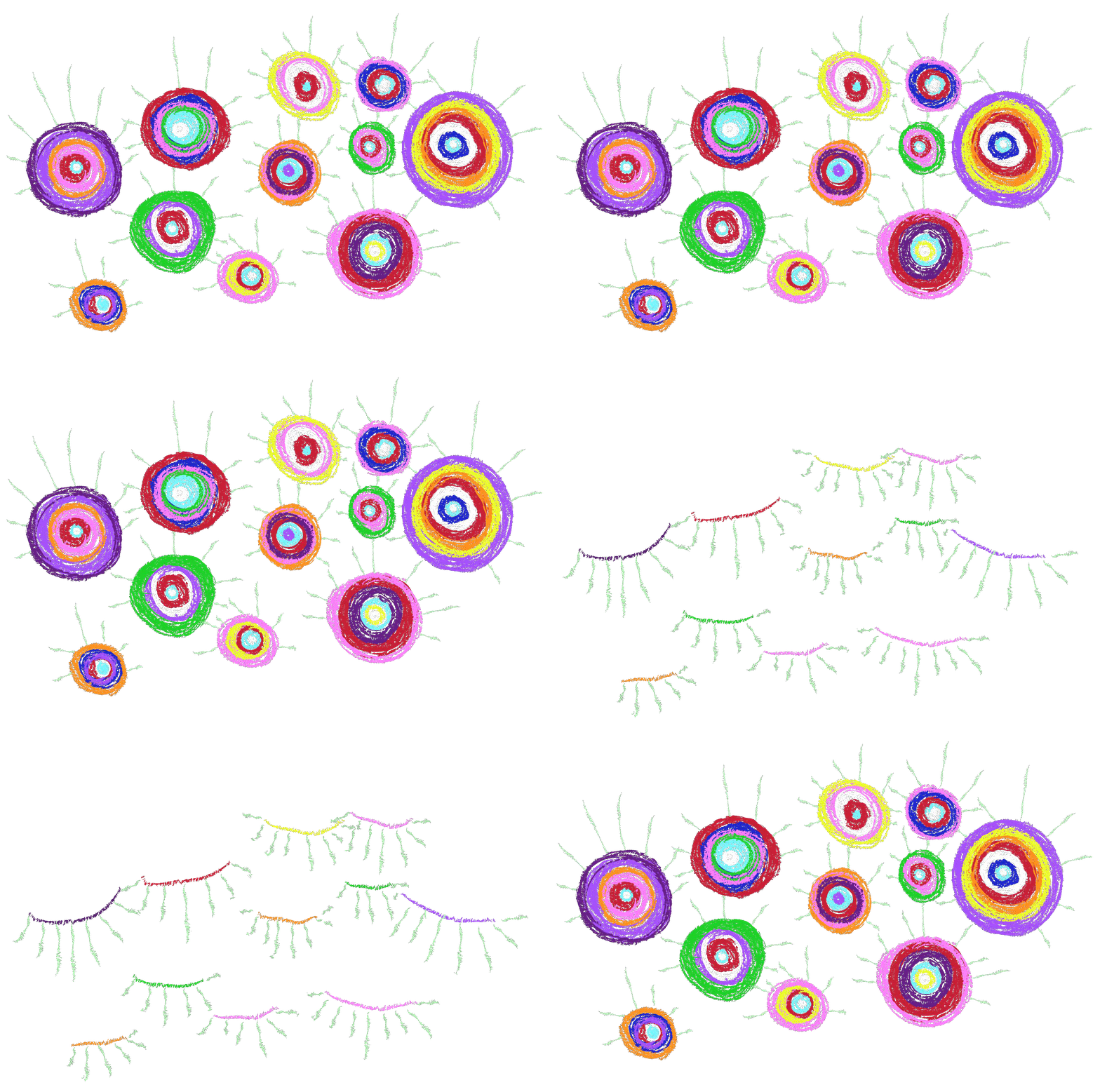
This is the final project of Video & Sound Techniques (AT–5833). It is in the style of a promotional video for a fictitious spa called Continuum Wellness Resort & Spa. In the beginning, it depicts typical scenes and services that one would expect from this type of business, such as offering a relaxing sound bath or facial. However, it quickly becomes apparent that this is not your typical spa experience as bizarre and other–worldly scenes unfold. I completed all work including writing the script, performing and recording the voiceover, filming, lighting, prop–set design and final editing. I'm pleased with the outcome and was able to adhere fairly closely to the plans outlined in the storyboard and animatic.
For this concept, I decided I wanted to get a little weird. I was inspired by Meow Wolf's "Omega Mart"installation in Las Vegas. The concept for their work is you enter into what at first glance looks like a normal supermarket, but the longer you are there and the more you look around things become very bizarre. I used this idea as a starting off point to create a wellness resort that has a similar vibe. It starts out like any other promotional video for this type of business, but quickly gets more and more absurd and surreal. I have decided to use this concept for my final project because I feel like my personal style is sort of evolving from "cute and kitschy" to something more weird and makes you sort of question your reality. I had a lot of fun making this, and exploring the more weird personal style that I feel myself evolving into.
The Fool's Errand (2024)
Type/Media: 2D Animation
Hardware Used: Huion Kamvas 16 Pro Drawing Tablet
Software Used: Adobe Animate, Premiere Pro
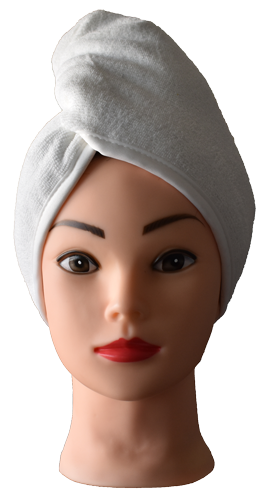
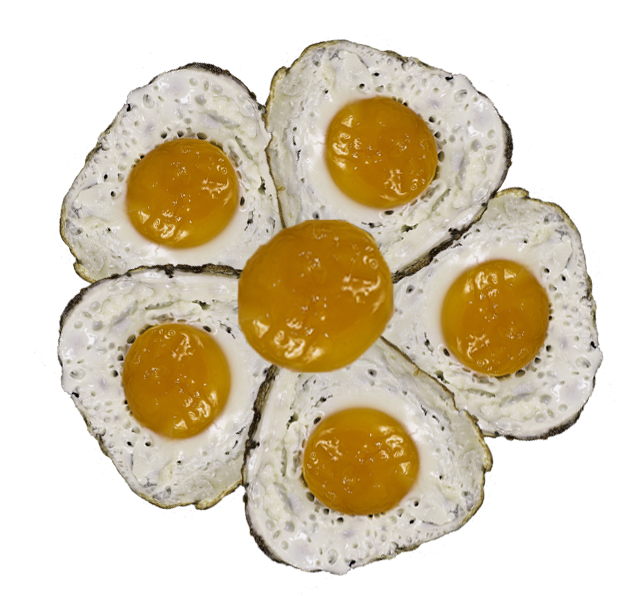
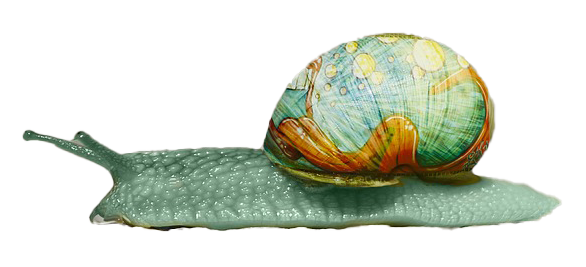
This project is an abstract 2D animation that follows a loose narrative of the fool archetype from the Tarot on an absurdist journey representing one's journey through life. The animation follows the fool archetype on his journey to finding his life's purpose with the help of his guide, a large, oddly colored snail with an enticing jewel embedded in its shell. During his journey, the fool must take a “leap of faith” to obtain the “jewel of knowledge”. Viewers may contemplate the absurdity of life and that there is no definitive meaning to it, and thus one must strive to create meaning for themselves. The fool may seem naive and silly at first glance, but there is wisdom hidden beneath this guise.
"Dinictis" (2024)
Type/Media: 3D Animation
Software Used: Autodesk Maya
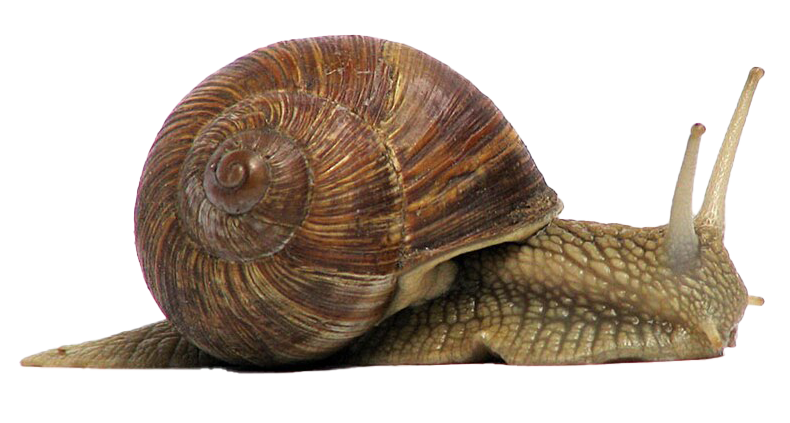
This project was my final project for 3D Animation Techniques (AT–5843), and was chosen to be included in “Prehistoric Visions: Evolving Perspectives on Fossil Animals and Paleoart”, an exhibition held at the Sam Noble Museum of Natural History from June 29-December 1, 2024.
Dinictis was a "false saber–toothed cat". They were similar in appearance to ocelots, with a longer, more slim body type compared to other large modern-day cats . The coloring of their fur would have been a sandy color on the body with a lighter belly color. This is because they liked to be up in trees, and when looking up at them from the ground, the light belly color would interact with the sunlight, creating a camouflage effect. They also walked plantigrade, or flat–footed, which differs from modern day cats who walk more on their toes. With this information in mind, I created some trees to add to the environment and had the Dinictis jump and climb up onto one.
The process I used to create this model was to take an image of a Dinictis skeleton and then superimpose an image of an ocelot, with the top image at half opacity in order to see both. Then I took elements of both images, specifically the shape of the skull (and teeth!) of the Dinictis skeleton and the torso and leg length of the ocelot and combined them into the 3D model. Because Dinictis is flat–footed, I then altered the way the paws appeared in standing position, with the whole foot resting on the ground rather than only the toes. For the trees, I researched flowering trees in the grasslands from the time Dinictis would have been alive and incorporated them into a flat, savannah–like environment.
"BioCube: Apocalypse Barbie" (2024)
Type/Media: Virtual Reality
Software Used: Unity
The directive for this project was to create a cubic–foot sized BioCube in Unity that was interactive and had an educational component. This was my final project for Mixed Reality Techniques (AT–5893). My concept was to create a survival/post–apocalyptic setting within a dollhouse kitchen. The main theme of this concept is learning about food safety that can be applied to everyday use as well as potential survival situations. An unnamed cataclysmic event has occurred, destroying society as we currently know it. It has been about a year since this event has taken place, and survivors are forced to forage for food in whatever way they can. The player stumbles upon an abandoned kitchen and must choose their supplies wisely, or face potential illness or even death by consuming contaminated items. When the player inspects an item, a pop up window will inform them of potential health risks, if any. With this knowledge, it is up to them to decide if they want to take the item or leave it. The facts in the the pop up windows were sourced from the CDC, FDA, NCBI, and the USDA, so the player can utlize this information both in the game and in real life.
Adjacent themes that are hinted at are the ideas of the collapse of society, the fascination with abandoned spaces, and the time capsules these spaces create. The concept to have the setting within a dollhouse kitchen was in part to accommodate the prescribed dimensions of the BioCube, so I “miniaturized” the world space to fit within these dimensions. I was also intrigued by the juxtaposition of the innocent and playful nature dollhouses and children's toys evoke against an eerie, desolate apocalyptic environment. Another source of inspiration comes from the “Nutshell Studies of Unexplained Death”, which are a series of eighteen intricately designed dollhouse-style dioramas that depict crime scenes which was created by Frances Glessner Lee (1878–1962), a pioneer in forensic science, to be used as educational pieces for homicide investigators. I decided to focus only on the kitchen because I didn't want the environment to become too cramped, and I think this would be the room that would be most frequently searched in circumstances as the one listed above.